How to Become a Truck Driver: Essential Steps for Launching Your Trucking Career
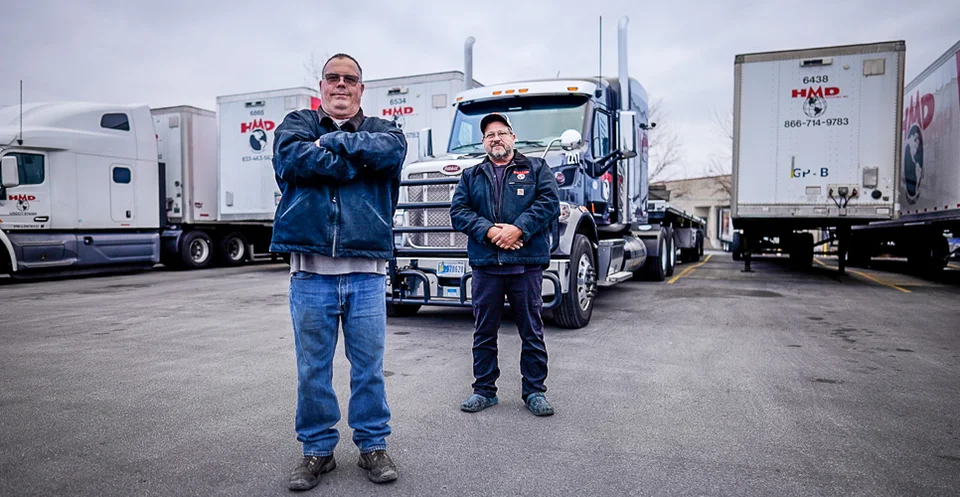
by Michael Mahler — HMD Trucking
The trucking industry is a major part of the global logistics movement of goods across continents and in supplying local communities. From long-haul driving to local delivery of goods, the CDL Class A truck driving jobs offers abundant career opportunities to people looking for life on the road. If you have a desire to become a truck driver and don't know where to start, you have found the right place. This is a guide to what you'll need and what you should know to finally start your journey as a professional truck driver.

What a Trucker Does?
Driving an 80,000-pound commercial rig demands technical accuracy, compliance with laws and regulations, and excellent situational awareness skills. A professional driver has a lot of duties including performing mechanical inspections before and after the trip, loading flatbed or dry van cargo, using ELDs for keeping logs of the duty status, and navigating through steep mountain slopes without overheating the brake drums. Even though being a long-distance truck driver implies spending much time away from home, this job offers great financial freedom and career stability. Below is a guide to becoming a commercial driver.
How to Become a Commercial Truck Driver?
If you're strongly committed to becoming a semi-truck driver, there are a few steps that you will have to pass for entry into a commercial truck driving career.
Trucking school isn't what it used to be – and that's a good thing. It’s not just about hitting the books and then spending time on the road anymore. Many of the best schools now have these incredible driving simulators. Honestly, think of it like the most realistic video game you've ever played. "Virtual players" can throw anything at you, from a sudden blizzard to a steer tire blowout, and you get to practice how to react without any of the real-world danger. It’s an amazing way to sharpen your instincts before you ever face that stuff on a real highway."
Let’s delve into basic requirements and find out ёyou need to become a truck driver:
- Education: Not every company will require a GED or a high school diploma, but many will. Keep this in mind as you enter into your job search.
- Age: You have to be at least 18 years to be able to get a CDL and drive within your state (intrastate). For crossing state lines (interstate), the age requirement goes up to 21 years.
- Driving Record: Understanding how to become a truck driver involves meeting specific requirements such as maintaining a spotless driving record. To pursue a career as a truck driver, it's essential to have a clean driving record, as this is a prerequisite for obtaining a CDL.
- US DOT medical card: A major component to getting and keeping your CDL is to pass a physical exam allowing you to be rated as fit to drive out on the road. It is a requirement that your physical be conducted by a certified medical examiner through the Federal Motor Carrier Safety Administration (FMCSA). To view the FMCSA registry, click here.
- Drug tests and background checks: Your CDL will not need a drug test or background check to get one, but many companies will need you to take a drug test and provide them with a background check if you want to drive for them. Some employers would require, from time to time, drug tests; or some would add additional one-time tests in the event of an accident or when an employee has come back from a long holiday.
- Non-commercial driver's license: Before starting the training to be in a position of being issued with a CDL, the trainee should have been in possession of a valid non-commercial driver's license.
- Proof of identity and residency: Much like a regular driver's license, getting a CDL will require proof of identity. This includes proof of residence, such as utility bills or payment slips of mortgages, and social security number with a copy of a birth certificate. Check locally for needed documents.
- As such, the process is very easy and does not require very great effort if becoming a truck driver is one of your dreams. In this way, you need to have a good reputation and also to pass a background check to ensure you are reliable and dedicated to safe driving.
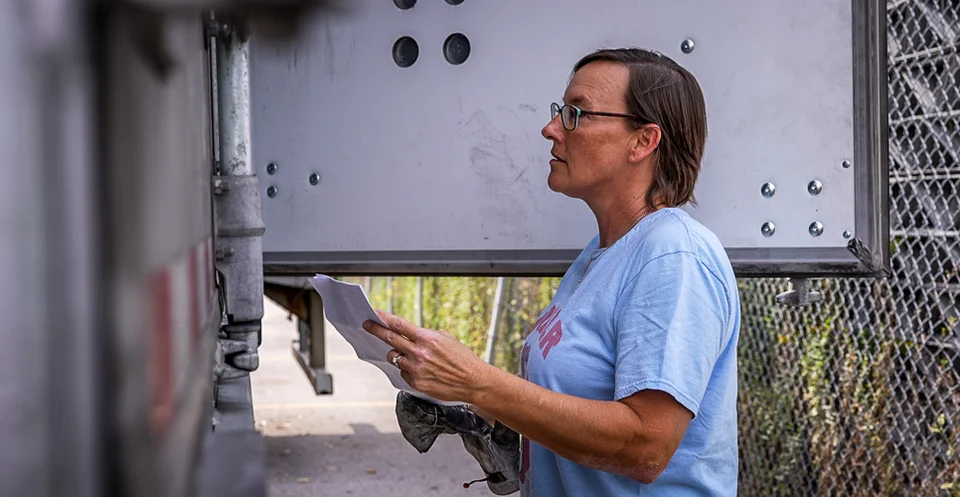
What's Changing in 2025: They're Cracking Down on the English Rule
Enforcement of federal English language requirements is strictly standardized across all commercial inspection points. Under 49 CFR § 391.11(b)(2) and Commercial Vehicle Safety Alliance (CVSA) Out-of-Service Criteria, failure to demonstrate English proficiency results in an immediate driver out-of-service (OOS) order:
- Verbal Communication Assessment: Safety inspectors initiate routine roadside questioning in English regarding your bill of lading, record of duty status, and vehicle condition. Third-party interpreters and smartphone translation apps are strictly prohibited during the interview.
- Highway Sign Comprehension: Drivers must read and explain standard regulatory signs based on the Manual on Uniform Traffic Control Devices (MUTCD), including bridge clearance heights, detour instructions, and weight-limit warnings. Sidelined drivers cannot legally move the commercial motor vehicle until an English-proficient replacement driver arrives at the inspection site.
How Long Does It Take to Become a Truck Driver?
The time needed to obtain a Class A CDL is between three and seven weeks when using an FMCSA-regulated training institution. In accordance with the ELDT mandate, the theory component and driving lessons have to be completed before being ready to take the state test. The CDL state exam has three rigorous tests: Vehicle Pre-Trip Inspection, Basic Vehicle Control Skills (with offset backing, alley docking, and parallel parking), and On-Road Driving. After obtaining a passing grade on the state test and acquiring endorsements like Tanker and HazMat, reputable companies put newly trained drivers through a paid finishing process, where they learn about 53-foot docks and fleet management with the help of an experienced driver instructor.
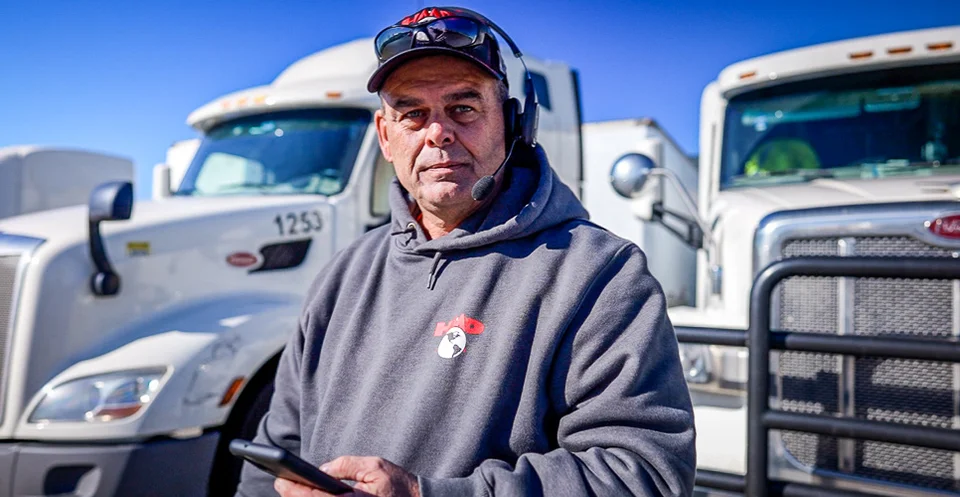
How to Become an Owner Operator?
While many drivers feel more than happy working for a company without the need of running a business for themselves, many others just feel the experience and later become owner-operators to earn more income.
Experience as a truck driver is very much important in understanding the industry before one becomes an owner-operator. After having acquired the experience, one can then buy or lease a big rig and procure the required business licenses, plus getting proper insurance. Being a good financial manager and an expert in contracts are some of the requirements needed for success as an owner-operator.
Owner operators have the flexibility of time, are their bosses, and gain the experience of operating a business. As with any sole-proprietorship, being an owner-operator comes with a lot of responsibilities. We have outlined the benefits and challenges of being an owner-operator in a related article on our blog.
How to Become an OTR Truck Driver?
There are various kinds of truckers and Over-The-Road (OTR) trucking is one of the most popular. OTR is the general term used to describe long-haul truck drivers. Long-haul truckers are those who are carrying loads between more than one state, or even more than one country. A trucker is classified as a long-haul driver when he cannot complete his trip within one day. The trips can require over a week on the road. However, those who usually take long-distance trips do appreciate the travel. The long OTR trips may even require two drivers to share a cab and take turns driving to both reach a destination in a shorter period of time. For most drivers, Over-The-Road (OTR) trucking offers vast earning potential, but it also means being far from home for long periods of time, sometimes measured in weeks. So, if you still wonder how to become an OTR truck driver, do some good research for programs and get your commercial driver's license.
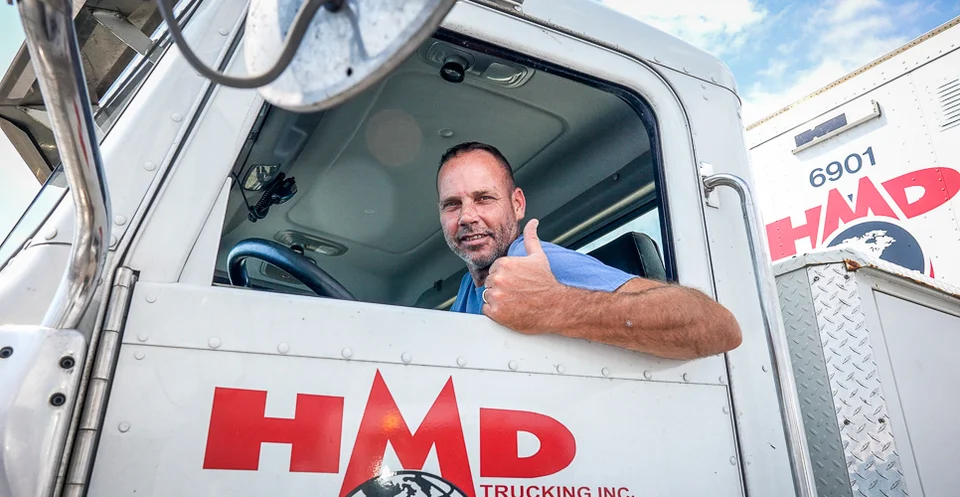
How to Become a Local Truck Driver?
Local truck drivers are responsible for carrying freight within a day's drive of home, so every day it's possible to get back home. Local drivers are CDL certified and have full knowledge of all local routes, as well as the law concerning traffic. Very often local truck driving requires great skills of maneuvering tight spaces and narrow streets. Also, backing 18-wheelers in docks happens every day for local truck drivers. This kind of truckers drive less miles in a month, so, in general, they earn less than long-haul truckers. But for the majority of local truckers this is not a disadvantage. Their work schedule implies regular routines and minimum time away from home and is thus considered more attractive.
You may have wondered how to become a local truck driver. Start at local driving schools, and get your commercial driver's license (CDL).
How to Become a Flatbed Truck Driver?
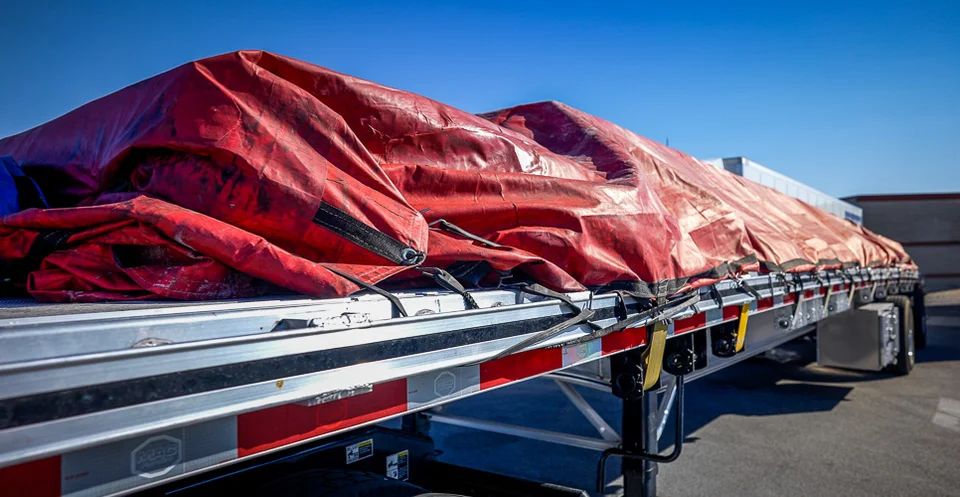
Flatbed trucking often means flatbed trailers with strapping-secured loads. The demand for flatbed drivers being so high, the pay is more competitive compared to other driving jobs. The demand for skilled flatbed drivers comes directly from the physicality and attention to detail it takes in securing loads to the bed, quite the opposite of the set-it-and-forget-it nature of dry van or reefer jobs. It is very important for flatbed drivers to secure their load, as this cannot be done in an enclosed space. Properly loading techniques are using ties and restraints up to code and constant monitoring to avoid movement. The flatbed drivers need a CDL and special training in load security, with improved safety training because the cargo is not contained. Normally, trucking companies provide a mix of in-house and on-the-job training for new flatbed drivers. Quality training greatly emphasizes that securing techniques for loads is paramount, particularly in flatbed safety. Learning how to become a flatbed truck driver would involve learning to secure a variety of loads and specialize in driving skills.
Conclusion
Beginning your career as a professional trucker means a consistent paycheck, good employment stability, and enjoying the perks of the road. With the help of certified training, proper knowledge of safe road practices, and a clean driving record, you ensure yourself success in the future of this profession. If you have a Class A CDL license and are looking for a respectable company that would provide you with an opportunity to work as a regional CDL A driver and appreciate its drivers, become a member of the HMD Trucking team. We offer our drivers the highest wages, modern equipment, and guaranteed loads all year round.