Best Truck GPS Navigation Devices: A Complete Guide for Commercial Drivers
by Michael Mahler — HMD Trucking
Reliable, easy to use, quick directions. These are the features that immediately come to mind when talking about the best truck GPS, but if you look deeper, there is more to it than that.
Planning out the route can get challenging and put a lot of stress on the truck driver, because there can be restrictions along the way that the driver may not be aware of, such as permissible loads, one-way roads, restricted traffic, turn restrictions, speed restrictions, construction projects, seasonal roads, detours or new roads, etc. When you have a long journey ahead, you may also need gas station locations, parking points and other services.
In our previous articles, Best Apps for Truckers and Best Truck GPS Apps for Professionals: Jump Right in and Find Your Way, we described the apps that can turn a cellphone into a GPS device, and now comes professional advice on how to choose the best GPS for commercial truck drivers.
How GPS for Trucking Works?
The GPS (short for Global Positioning System) is a system of satellites that can be used to determine the location of various objects, including vehicles, in real time.
Trucking GPS devices operate differently from GPS navigation systems used in personal cars. They can create routes based on the size and weight of the truck, because not all roads are suitable for big trucks.
A truck navigation system has many jobs:
- Optimized route planning.
- Turn-by-turn driving directions.
- Real-time updates alerting of high-traffic areas.
- Driver behavior monitoring.
- Information about truck stops, refueling stations, rest areas, etc.
- 24/7 truck driver community support.
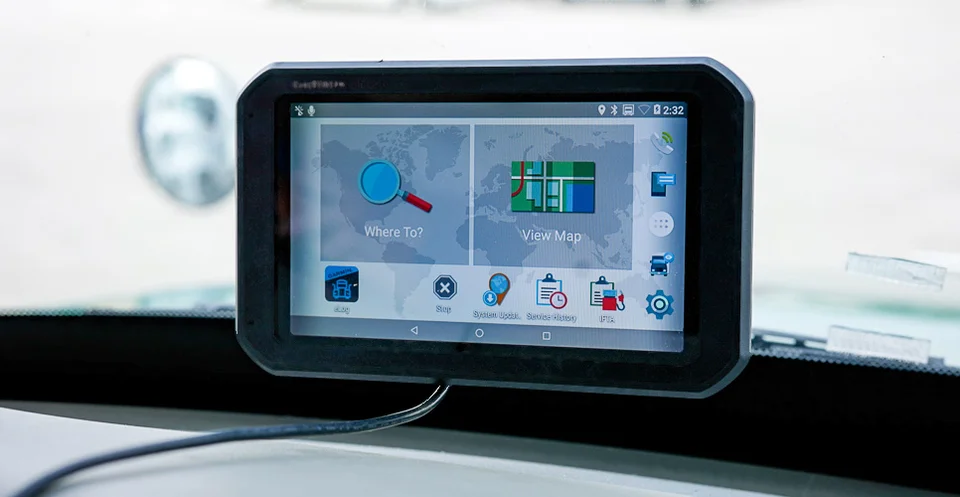
The best truck GPS navigation devices incorporate a lot of cutting-edge technology purposely designed for these types of vehicles. For example, they can calculate the tolls and their locations after the route is identified, and show how to avoid tolls whenever possible. A GPS for tractor trailers allows you to input the exact dimensions of your big rig, and then leads you to the route with no short overpasses or bridges. The electronic log that keeps track of hours in motion, mileage and breaks is often used for fleet management.
The proper use of a truck navigation system empowers truck drivers to drive safely and helps to prevent many accidents.
How to Choose the Best Truck GPS?
Without truck driving GPS navigation systems, we would probably still be driving with maps on the dashboard, asking the copilot to check the route every ten minutes and getting lost all the time. Fortunately, a GPS navigation device is a popular device that many truckers have in their vehicles today.
What is the best GPS for truck drivers? When looking for the best option for truckers, you should consider several factors essential to your specific needs.
Screen Size
When buying a GPS for tractor trailers, there is often a question of screen size. The choice is often determined by personal preferences and the purchase budget.
Many truckers note that navigation devices with a screen size of less than 5 inches are not very convenient to use while driving. The screen displays too little information and the image is not sharp enough.
Numerous surveys conducted among users of navigation for semi trucks show that 5 to 7 inch navigation devices are a common choice among tractor owners who prefer not to pay too much for this device. With this screen size, the sufficient usability of navigation programs can be achieved. The usual display resolution is 480 by 272 pixels, which allows it to show a fairly clear picture.
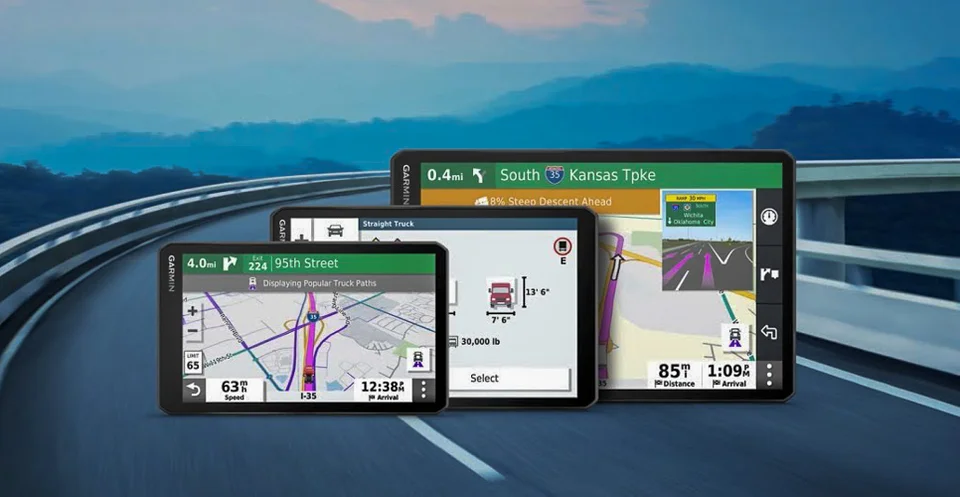
The best truck GPS with 8 to 10 inch displays offer a bright, crisp high-resolution image in landscape or portrait view. Their owners are unlikely to ever have to zoom the map to view a desired area in more detail, because all the information is always right before their eyes.
Easy to Use
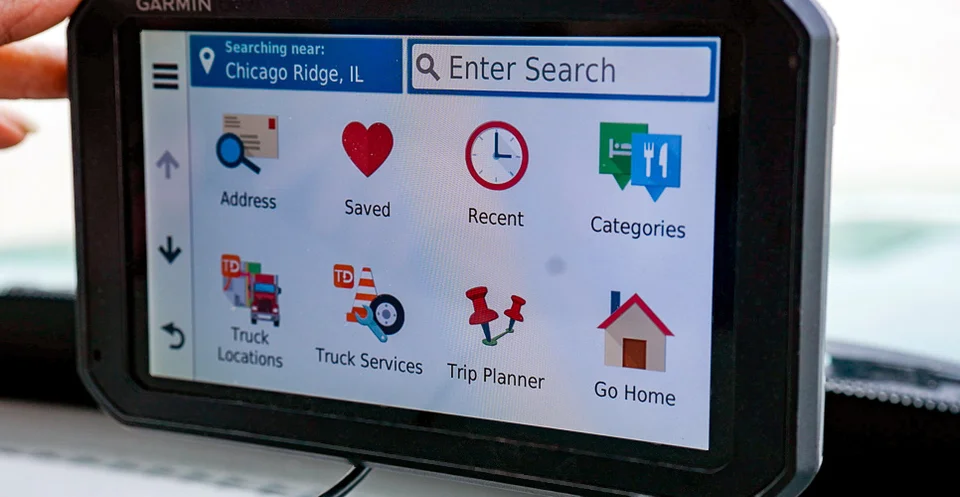
Another distinctive feature of the best truck GPS navigation devices is that they are easy to use. GPS devices with a convenient interface and easy-to-operate controls can be used even by inexperienced truckers.
Top-ranking GPS navigation devices are equipped with a touch screen and hands-free controls that make life easier. You can rely on the voice assistant and focus on the road. It will help you complete various actions while driving, for example, you can change the route without stopping, listen to and send text messages, and make phone calls without taking your hands off the wheel.
Special Features
Truck driver working hours are very different from the typical schedule of most workers. They spend most of their lives on the road, cut off from many channels of information. Knowing what is going on around you can be essential. GPS navigation devices for truck drivers can have special features providing information, such as fuel prices, high-traffic highways, and even a good place to eat or to sleep in an unfamiliar area.
Installation
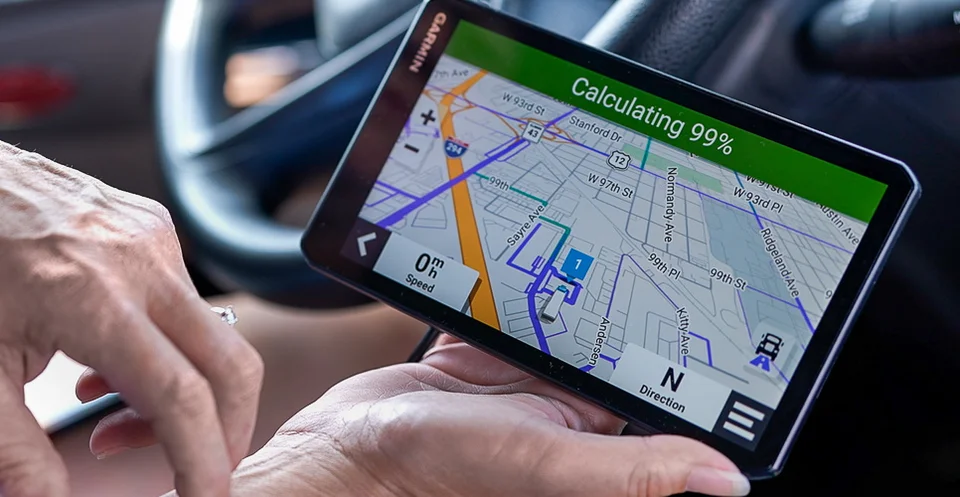
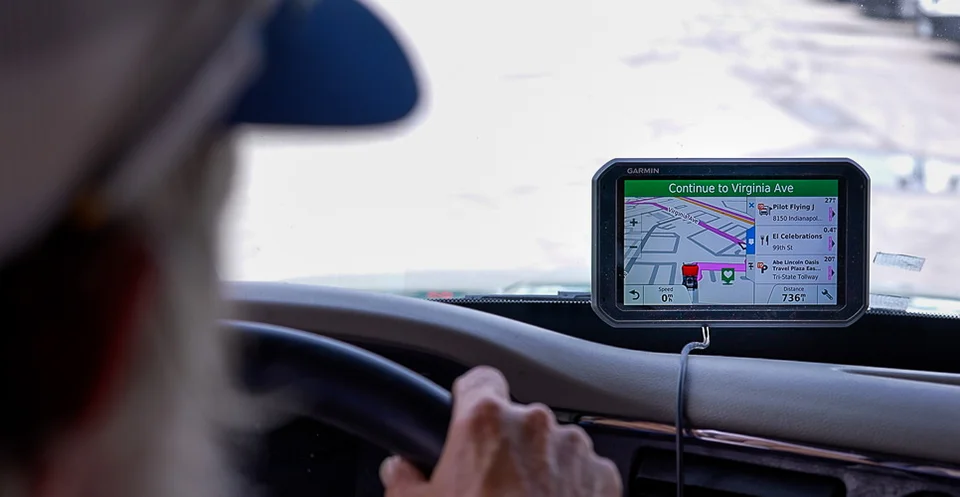
While choosing a GPS navigation device, few truck drivers think about how they will mount the device on the dashboard, while they should, as this is a very important matter. You may be surprised to know how many drivers are dissatisfied with their GPS because of poor mounting options.
A truck GPS usually comes with an installation kit that includes a suction cup to mount the device on the windshield, and a charger. The location for installing the GPS navigation device in the car is selected by each driver individually. It all depends on the driving style and other habits.
Below are some tips on how to install a portable navigation device.
- The device must not block the driver's view.
- Since the device has a built-in antenna, it must not be covered completely by the roof.
- The charging cable must be long enough to reach the device without removing it from the mount.
- The mounting angle should provide maximum visibility of the screen from the driver's seat.
- Avoid direct sunlight on the screen, making it difficult to read from the display.
Follow these tips, and you will not need any professional help installing the gadget properly.
Long-Term Support
The big problem with certain GPS devices is a lack of long-term support, such as updates to maps and POIs. Maps get outdated, potentially causing problems, for example when new restrictions are introduced along the route you are taking.
Keep in mind that certain types of software not included in the monthly subscription can cost you. You may end up paying extra to download special features.
Learn the terms and conditions on continued map and software updates before buying a GPS. It is worth reading actual user reviews, as these may help you decide if you really need some of those updates.
Storage Space
Storage space is important: the more memory that’s available on the device, the more maps you can download. If the device has a large amount of memory or the option to expand it with an SD card, you can download maps with detailed descriptions of roads.
Best Truck GPS Navigation Devices
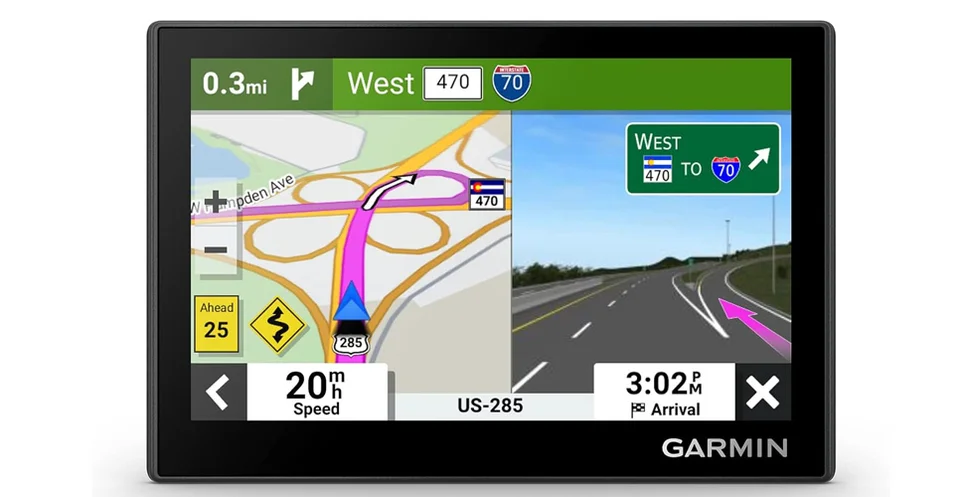
Garmin Drive™ 53 GPS Navigator
The Garmin DriveTM 53 GPS Navigator, priced at $129.96, offers a clear trail and provides a simple method of navigation for drivers looking for fast and easy way to get around.
Pros
- Bright, high resolution 5” glass capacitive touchscreen display provides easy to read maps and simple on-screen menus, with customers pointing to its crystal clear display.
- Driver alerts for school zones, speed changes, sharp curves and other emergencies.
- The food, fuel and rest facilities in your itinerary along with cities and milestones make it easier to plan the route to visit during a specific time and distance.
- This combined user rating of 5 star restaurants, hotels, and attractions enables the user to save time on trips.
- U.S. national parks directory easily finds entry to the parks’ entrances, visitor centers, and landmarks.
- This includes detailed maps of North America, keeping it updated across the world, and avoiding issues like phone GPS limitations when moving across borders.
- Garmin Real Directions landmark guidance is made intuitive by using spoken directions by turning by turn and with a built-in interpreter.
- Customer reviewers found it to be reliable and easily readable, but a guide solely regarding navigation.
Cons
- Mixed feedback on route accuracy from some users, though generally it provides correct directions.
- Screen size receives mixed feedback; while larger than a phone for some, others find it too small.
- Uses older USB formats for its cable which sticks straight out, potentially making dash mounting difficult for some users.
- Map updates are not wireless for this specific unit, contrary to general online information about the Drive 53 series, requiring a wired connection for updates.
- Some customers reported outdated maps upon initial use, despite included updates.
The Garmin DriveTM 53 is characterized by intuitive, clear display, and dedicated GPS functionality. It provides reliable navigation and helpful driver notifications and points of interest and is a good choice for everyday driving and road trips, especially if you are using an older smartphone for navigation.
OHREX N700 GPS Navigation for Car Truck RV
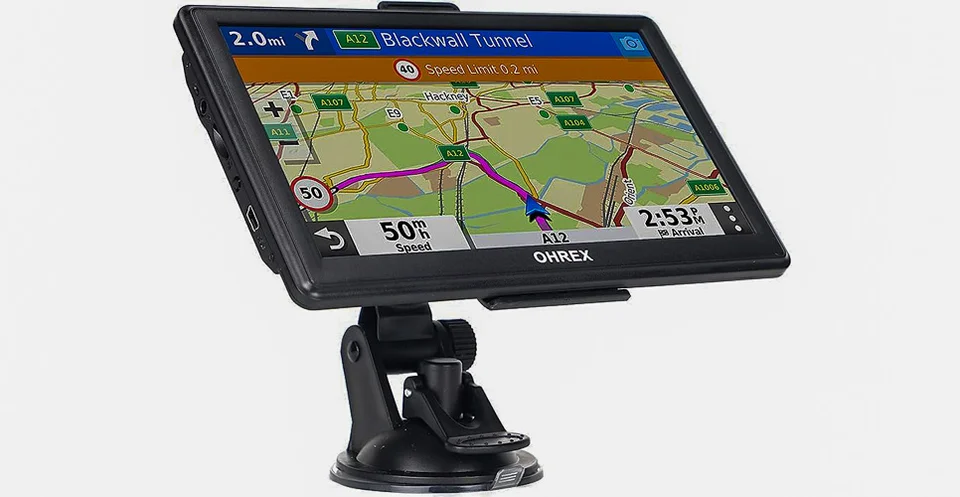
Another good choice, especially for the price $64.99, is OHREX N700 GPS Navigation for Car Truck RV.
Pros
- Seven-inch touchscreen.
- RAM: 256M, Internal Memory: 8 GB Samsung SSD.
- Pre-installed 2D and 3D maps, including USA, Canada and Mexico.
- Customized routes according to vehicle’s dimensions and weight.
- Realistically voiced turn-by-turn notifications.
- Displays the current speed and estimated time to arrival.
- A 3000mAh lithium battery.
- Reliable dashboard mount.
- The US brand OHREX offers regular maps upgrades and 24/7 support.
Cons
- The highway speed and weight limits listed are out of date.
- There are no automatic updates.
- No Bluetooth support: the owner has to download updates to a memory card and put the card (not included) into the unit.
- Announcements are made too late, and you can miss your turns and merges.
Large display, ease of mapping routes and low price go some way toward making up for the issues of the OHREX N700 GPS Navigation device.
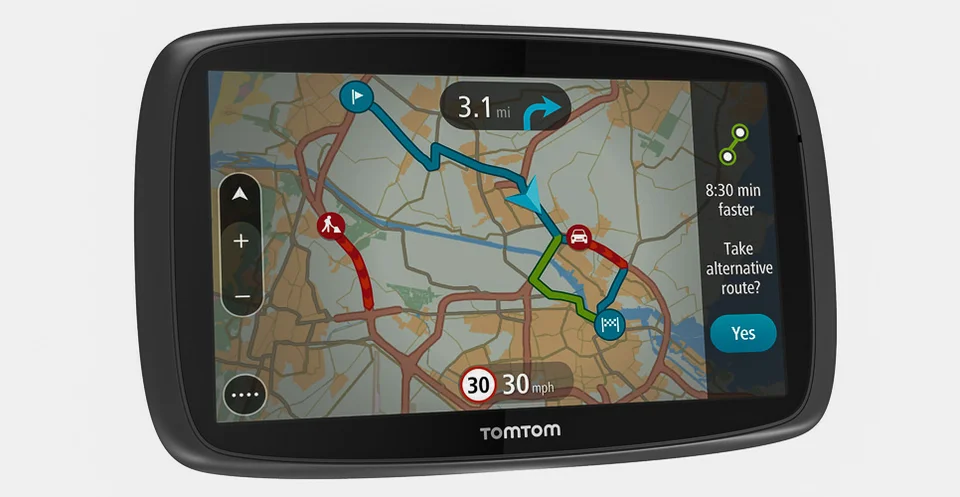
TomTom Trucker 620 6-Inch Gps Navigation Device
The TomTom Trucker 620 6-Inch Gps Navigation Device offers some of the best-in-class smartphone support and at $275.99, has impressed many truck drivers.
Pros
- Six-inch high-brightness and sunlight-readable touchscreen with a 480 x 272 resolution.
- Connectivity options: Bluetooth, Wi-Fi.
- Regularly updated USA and Canada maps for large vehicles with specialized routing for hazardous cargo, vehicle size and weight.
- Free lifetime updates.
- Details on more than 1500 fuel stations, parking locations and service centers for large vehicles.
- Secured by a specialized click-and-drive active magnetic mount.
- Hands-free calling and text-to-speech.
Cons
- The CPU is a bit sluggish, and it takes too long to load new requests.
- Does not offer alternate routes as you proceed to your destination.
TomTom is the best choice for a commercially driven vehicle, offering the best value for money.
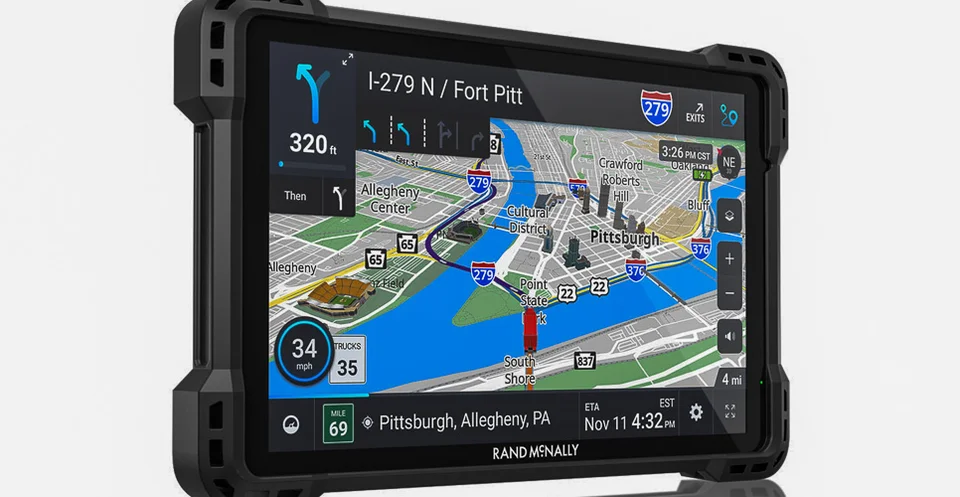
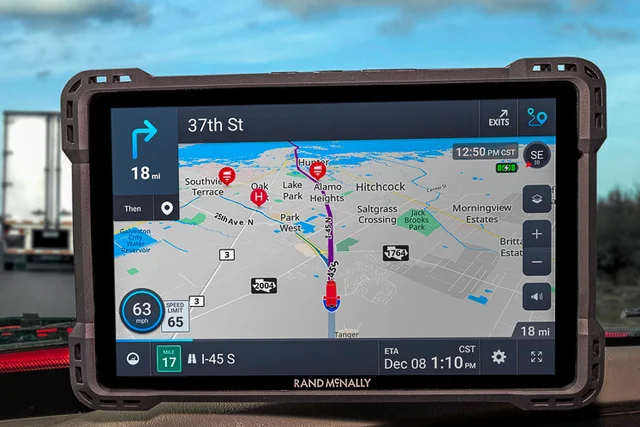
Rand McNally TND™ Tablet 1050 Built for drivers who demand maximum screen real estate, the Rand McNally TND Tablet 1050 ($699.99–$799.99 MSRP) pairs a 10-inch high-definition Gorilla Glass display with an Android-powered tablet architecture. Powered by Rand Navigation 2.0, the platform delivers 33% more truck-specific road data than standard consumer GPS systems, providing detailed warnings for sharp curves, steep mountain grades, and low-clearance structures.
Pros: Heavy-duty drop-resistant housing with removable protective guard, integrated rear-facing camera for quick vehicle inspection reporting, over-the-air Wi-Fi map updates, and multiple mounting brackets including an active magnetic slice mount.
Cons: Large 10-inch form factor can obstruct dash visibility in compact cabs, and the magnetic mount can occasionally unseat on rough highway expansion joints.
Garmin Dēzl™ OTR810 with Night Vision
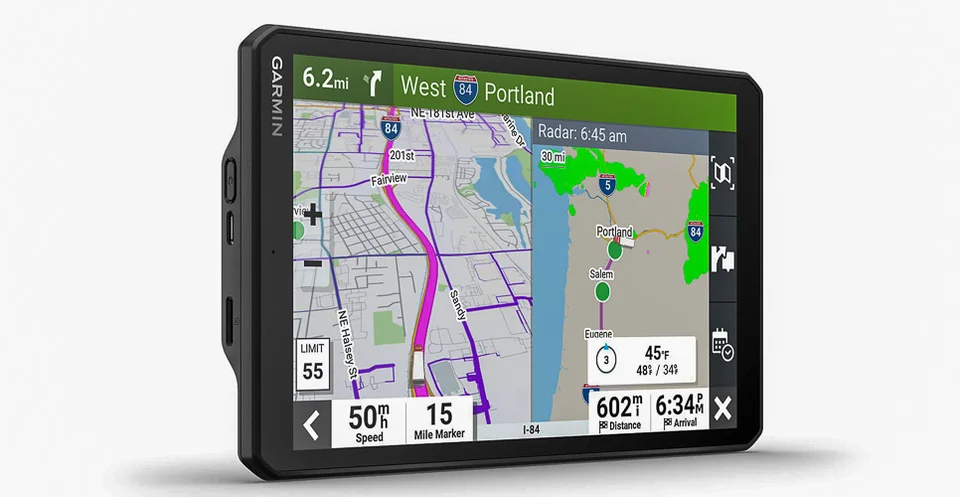
Garmin dēzl™ OTR810 The Garmin dēzl OTR810 ($699.99 MSRP) represents the industry standard for professional long-haul navigation. Featuring a vibrant 8-inch high-resolution IPS touchscreen that switches between portrait and landscape modes, it calculates custom routes based on your rig’s exact height, width, weight, trailer length, and HazMat classification.
Pros: High-resolution BirdsEye Satellite Imagery displays aerial views of distribution center gates and loading docks for arrival planning; integrated PrePass weigh station bypass notifications; live wind speed overlays and weather radar (via dēzl companion app); direct integration with BC 50 wireless backup cameras.
Cons: Premium price point, and advanced connected features (live traffic, fuel prices, and parking availability) require an active Bluetooth smartphone link.
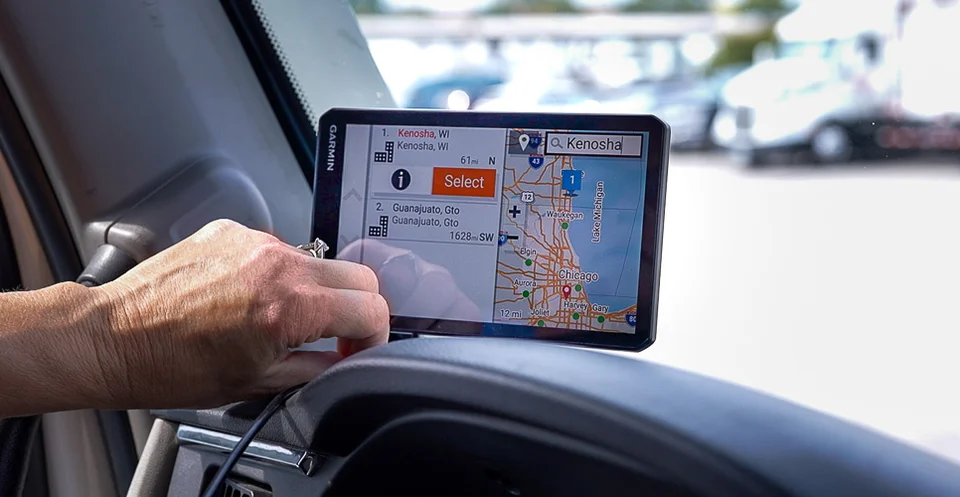
Is Google Maps Any Good for Truck Drivers?
Relying on consumer mapping tools like Google Maps to pilot an 80,000-lb tractor-trailer introduces severe operational hazards. Google Maps calculates routes exclusively for passenger cars, completely ignoring commercial vehicle restrictions:
- Zero Physical Clearance Awareness: Does not factor in 13'6" bridge heights, low-hanging urban power lines, or arched overpasses, creating direct bridge-strike risks.
- Ignores Legal Truck Routes: Directs trucks onto non-STAA (Surface Transportation Assistance Act) secondary roads, weight-posted rural bridges, and parkways where commercial vehicles are prohibited by law.
- Lacks HazMat Restriction Data: Fails to account for hazardous material routing bans through tunnels or designated municipal bypass corridors. Professional drivers should use Google Maps strictly as a secondary tool to verify satellite dock locations or check consumer traffic density, never for turn-by-turn Class 8 commercial guidance.
Conclusion
As you can see, there is a huge gap between commercial trucking and personal driving. Truck driving requires a lot of professionalism and a high level of responsibility. GPS navigation devices are designed to make truckers’ tough work safer, more efficient and more comfortable. You can also check out our class a flatbed jobs page which we update regularly.
A high level of staff proficiency is the fundamental resource of HMD Trucking. In turn, we strive to provide our valued truck drivers with every high-tech device to help on the road, including the best truck GPS navigation systems.
If you want to join a company that takes the safety and comfort of its employees seriously, apply for a job at HMD Trucking now.