What is Double Brokering and Why Shippers Need to Know?

by Michael Mahler — HMD Trucking
We understand that transporting your freight in a safe and efficient manner is a priority for you. You put a considerable amount of confidence in your dry van and flatbed shipments. This is why there has been so much attention regarding double brokering, which has become something of a concern in the trucking industry. This brings us to an important question shippers often ask: What is Double Brokering? Simply put, it's the unauthorized and illegal practice where a broker or carrier you hired secretly passes your freight load off to another company to handle, all without your knowledge or consent. This is a clear violation of trust and contract, which can really jeopardize the shipment. It is very important to recognize it and know how to avert it. Let’s discuss the details.
What is Double Brokering?
Double brokering meaning is a complex topic, but let’s make it simpler. Consider you have your goods transported by a freight broker of your choice (let us call them Broker A). You have faith in them, you’ve contracted with them, and you expect them to take care of and assign a suitable carrier for the load.
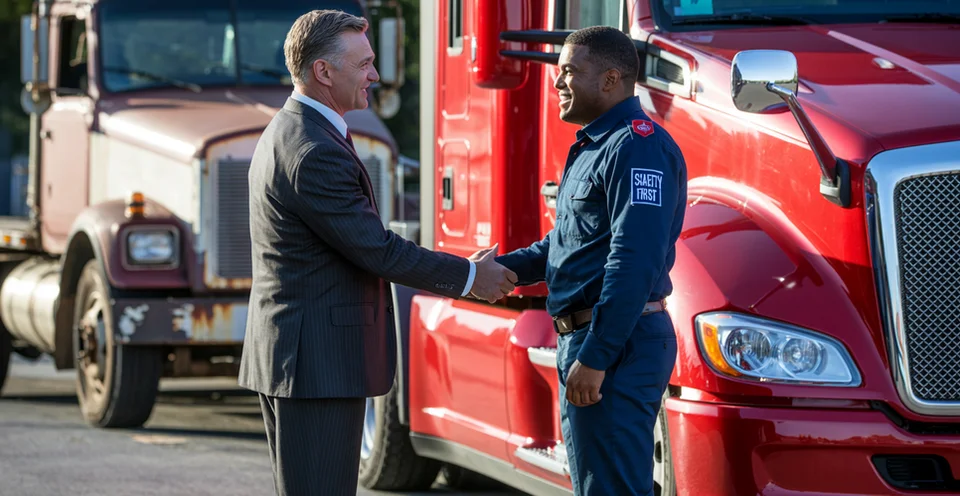
Double brokering happens when Broker A, without your knowledge or permission, passes your load off to another broker (Broker B). Broker B then finds a carrier to actually haul the freight. Sometimes, it’s even a carrier (Carrier 1) who takes your load from a broker and then secretly hands it off to another carrier (Carrier 2) – again, without the original broker or you knowing.
Here’s the bottom line: any time your freight is re-brokered or handed off to another carrier without the original shipper's explicit consent, it’s considered double brokering. This practice of double brokerage trucking, isn't just poor communication; it often breaches contracts and steps firmly into illegal territory.

Key Differences: Double Brokering and Co-Brokering
Heads up! Don’t confuse double brokering with co-brokering. Co-brokering is a completely legal practice that's sometimes necessary. This happens when Broker A, with your permission, works with Broker B (or another suitable carrier) to help with moving the freight. Perhaps Broker B might have better coverage in a particular region or has the appropriate equipment. In co-brokering, everything is communicated clearly. Payment splits are agreed upon clearly based on the contract terms. All parties know what's happening, agree to the plan, and consent without any hidden moves.
What is Double Brokering In Trucking Specifically?
So, what is double brokering in trucking, and how does it actually play out on the road? It means the shipment you carefully planned could end up on a truck operated by a company you've never heard of, let alone vetted or approved.
Look at it this way:
- You hand over your load to Broker A.
- Broker A hands the load off to Broker B (or Carrier 1 secretly hands it off to Carrier 2).
- The final carrier (found by Broker B or Carrier 2) shows up at your dock. They might even be told to check in using Broker A’s name or Carrier 1’s name – a massive red flag!
This creates a tangled mess. Who's actually responsible for your cargo? Whose insurance is covering it? If something goes wrong, sorting it out becomes a nightmare. A double-brokered load often travels under a cloud of confusion and risk. This practice in the truck brokerage business strips the fundamental trust that is in double brokerage trucking operations and complicates everything from tracking to handling specific freight shipping classifications correctly.
Is Double Brokering Illegal?
Operating unauthorized freight transfers violates federal commercial transportation law. Under 49 U.S.C. § 14916 and federal MAP-21 statutes, entities that broker loads without active broker authority and an active $75,000 surety bond (BMC-84) or trust fund (BMC-85) face civil penalties up to $10,000 per violation. Corporate officers and individual directors carry joint and several personal liability for all unpaid freight claims. Beyond federal fines, unauthorized re-brokering invalidates primary cargo insurance policies. When an unvetted carrier hauls unauthorized freight, shippers face total cargo loss liability, while the performing trucker faces non-payment fraud.
Why Does This Even Happen?
The act of double brokering isn’t always done with ill will, but it usually is. Following are some of the reasons:
- Overbooking or negligence. A broker or a carrier may tend to overestimate their capabilities. Instead of attempting to properly manage a solution, they just give it away. Imagine trying to get a pizza delivered to ten different locations at the same time. It's chaos. In their mind, they are solving a problem, but in fact, they are worsening an illegal situation.
- Network Gaps. A broker might struggle to find a carrier in their network and secretly use another broker who can, hoping the shipper won’t notice.
- Outright Fraud (The Scary Version). This is where scammers set up shop, wherein they pose as legitimate brokers or carriers. They take a load from a shipper or broker at a good rate, then immediately re-broker it to an actual trucking company for much less, pocketing the difference. Often, they have no intention of paying the carrier who does the work, leaving that carrier high and dry.
Identifying Potential Double Brokering Scams: Warning Signs
Modern digital freight fraud relies on sophisticated identity theft and authority spoofing. Watch for these primary operational red flags:
- Domain and Phone Discrepancies: The broker or carrier contacts you from generic email domains (e.g., @gmail.com or spoofed domains like @carrier-freight.com) rather than the official corporate domain listed in the FMCSA SAFER registry.
- Dock Check-In Aliases: The driver arriving at the shipper dock is instructed to check in under a completely different corporate name or MC number than the one assigned on the rate confirmation.
- Instant Load Board Reposting: Your contracted freight appears reposted on public load boards minutes after tender, often with altered origin details or reduced linehaul rates.
- Refusal of Direct ELD/GPS Tracking: The dispatcher refuses to provide automated macro-point tracking or insists that cell-phone tracking apps cannot be activated.
Protecting Yourself: Prevention Tactics
Preventing freight diversion requires automated compliance workflows and strict verification protocols:
- Deploy Carrier Identity Verification: Utilize automated carrier onboarding software like Highway or Carrier411 to screen for recent authority reinstatements, sudden leadership changes, and virtual office addresses.
- Direct Phone Verification: Always initiate phone calls using the registered telephone number filed in the FMCSA SAFER database rather than relying exclusively on contact numbers printed on an unverified rate sheet.
- Enforce Anti-Rebrokering Clauses: Include explicit contract terms that immediately forfeit linehaul payment and assess administrative penalties if a load is re-brokered without written consent.
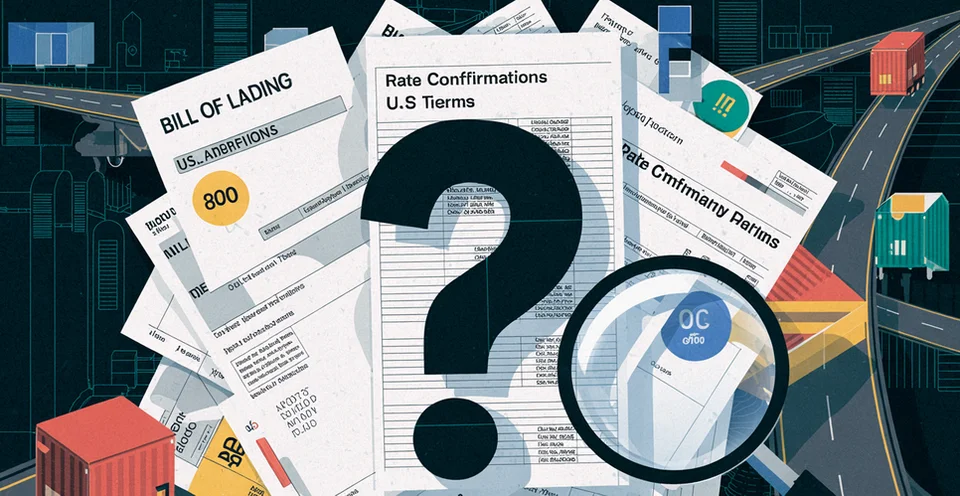
- Require Live Paperwork Matching: Ensure shipping dock personnel match the physical tractor's DOT/MC door decals directly against the bill of lading (BOL) before releasing freight.
What If You Suspect Double Brokering?
Suspicion of double brokering may be troublesome:
- Keep Complete Records. Make a folder and store all relevant documents, such as contracts, rate confirmations, communication logs, as well as BOLs.
- Communicate. Talk to your original broker immediately. If you're a shipper and the carrier informs you, listen carefully.
- Report It. File a complaint with the FMCSA National Consumer Complaint Database online or via phone. Report fraud to the DOT Office of the Inspector General (OIG). Tell the load boards too, if you used one.
- Consider Legal Options. Getting legal advice might be smart, depending on what happened and what you stand to lose.

The HMD Trucking Commitment
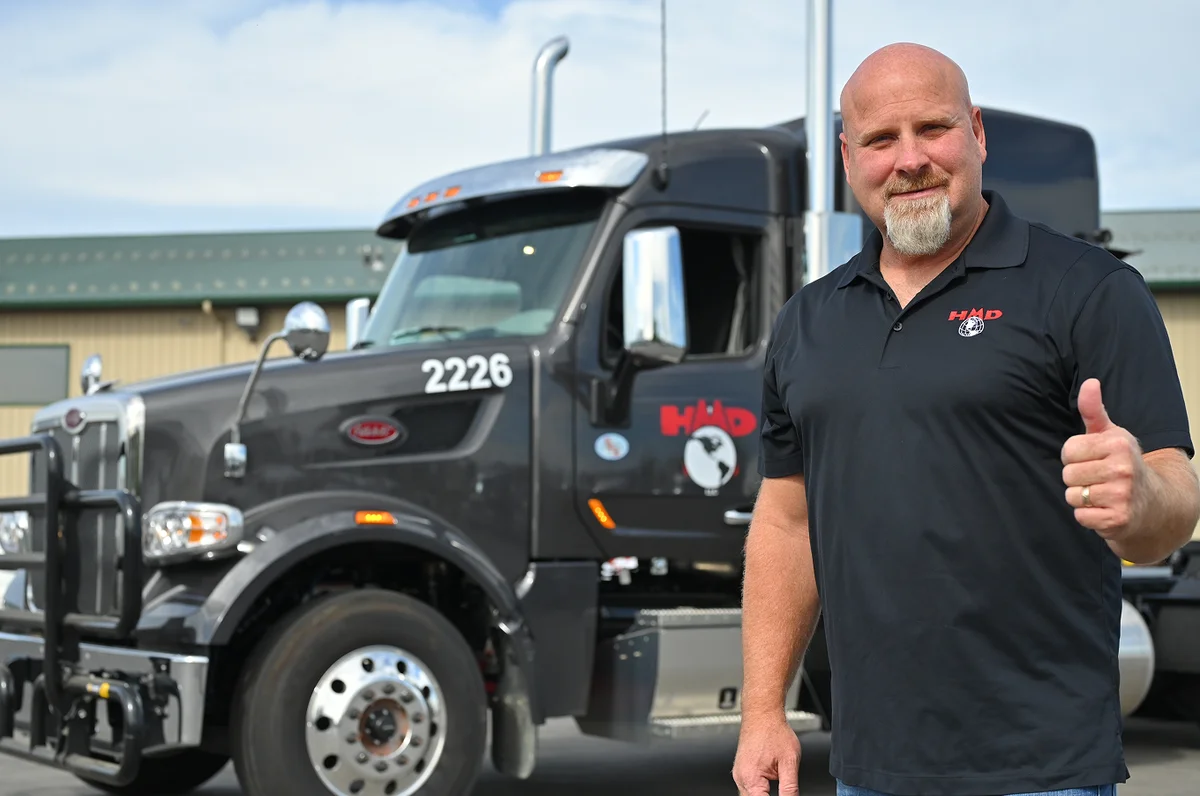
The most reliable defense against double brokering is partnering directly with an established asset-based carrier. At HMD Trucking, we eliminate middleman risk by hauling freight on our company-owned fleet of late-model 2023–2027 Peterbilt 579 tractors driven by fully vetted, background-checked professional drivers. Shippers receive direct EDI/API visibility, dedicated customer service, and guaranteed 99% on-time performance across our core dry van and flatbed networks. Protect your cargo integrity and eliminate unauthorized freight handoffs. Contact HMD Trucking today to request a direct, asset-backed freight quote.